Heating and plumbing
We will tell you what it costs before we get in the van.
- To come out and look, weekday
- £114
- The first hour, all in. £62 an hour after that.
- Same thing at three in the morning
- £228
- Double time on the labour, and nothing added to the parts. That is the whole of it.
Both figures include VAT at 20%. Every price on this site does.
Why there are prices on this website
Because the first thing anybody wants to know is what it costs to get somebody through the door, and nearly every trades website in the country refuses to say. The usual reason given is that every job is different. The whole job is different; the hourly rate is not, and neither is whether Saturday costs more.
So all of it is here. Every figure on this site is worked out from one rate card — the callout, the hourly rate after it, the mate’s rate where a job needs two of us, and VAT. There is no price typed into any page. If we put the rates up, every number on the site moves the same day, which is the only way a published price list stays honest.
And a calculator, because the other question is harder
The second thing people ask is whether their radiators are the right size, and the honest answer needs a calculation rather than an opinion. There is one further down this page. It does the real thing — fabric loss and ventilation loss, with the standard U-values for the age of the house — and it will tell you something most people are not told: what happens to those radiators the day the boiler is replaced with a heat pump.
The things people ring about
Prices are what you would actually pay on a weekday, materials and VAT included. Click through for the evening, weekend and emergency figures and the full breakdown.
The bench
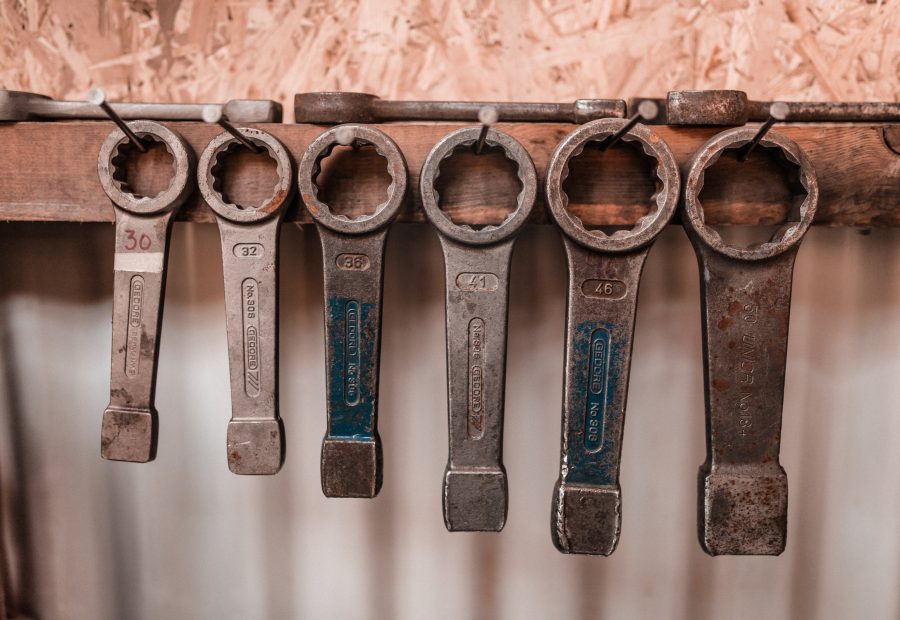
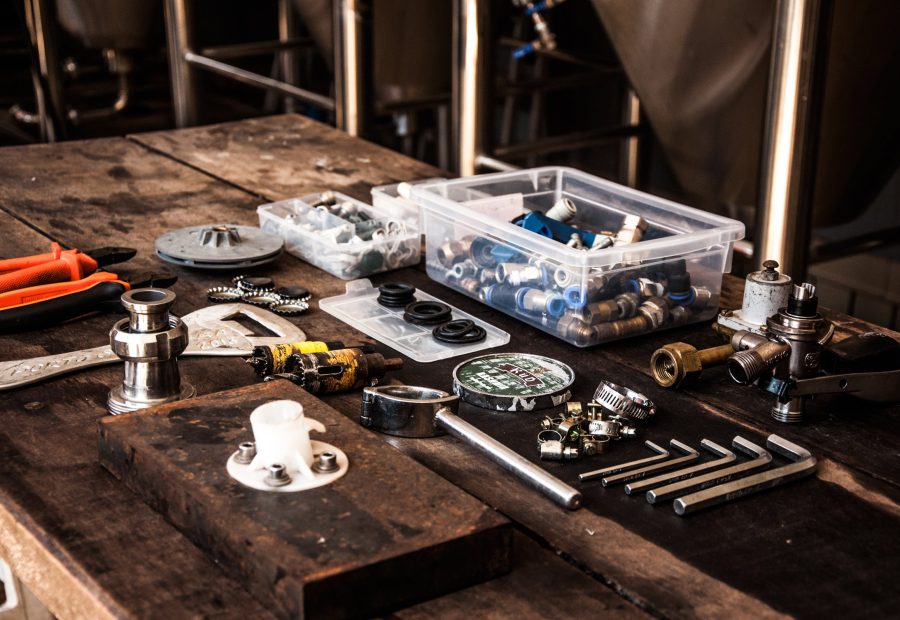
No stock photographs of somebody else's boiler cupboard. This is the bench, the van stock and the houses we work on.




What size radiator does this room need?
The real calculation, not a rule of thumb. Sized for the Calder Valley at -4°C outside, which is the coldest it sensibly gets here.
1.40 kW radiator, at its catalogue rating
The room loses 1.37 kW at 91 W per square metre. On boiler, 75° flow that is exactly what the catalogue rating means, because the rating is measured on this system — so the radiator you buy is the number above.
| Through | Area | U | Watts |
|---|---|---|---|
| External walls | 17.6 m² | 1.60 | 702 |
| Windows | 2.6 m² | 1.60 | 104 |
| Ground floor | 15.1 m² | 0.70 | 265 |
| Ventilation 1.0 air changes an hour through 36.3 m³ | — | — | 304 |
| Total, holding 21° against -4° | 1,375 | ||
The same room on every system
| Boiler, 75° flow How radiators are rated and how most are still run. | 50.0 K | 100% | 1.40 kW |
|---|---|---|---|
| Boiler, turned down to 60° A condensing boiler actually condensing, which is where its efficiency is. | 32.5 K | 57% | 2.45 kW |
| Heat pump, 50° flow A heat pump pushed hot to suit existing radiators. | 27.5 K | 46% | 3.00 kW |
| Heat pump, 45° flow A sensible heat pump design. | 22.5 K | 35% | 3.90 kW |
| Heat pump, 35° flow What underfloor heating is happy with, and radiators are not. | 12.5 K | 16% | 8.35 kW |
This assumes 1919 to 1975: Cavity wall, unfilled. Little or no loft insulation as built. Those are the standard assumptions for the age, and they are assumptions — a solid wall somebody insulated internally in 2015 will not behave like 1900. We measure the real thing before we order anything.